



Hey Royals,
I recently watched a trending video of a woman crying as she celebrated her 50th birthday. Not tears of joy, but tears of regret.
She spoke about all the things she never did. The passions she postponed and the parts of herself she kept putting on hold while life kept moving.
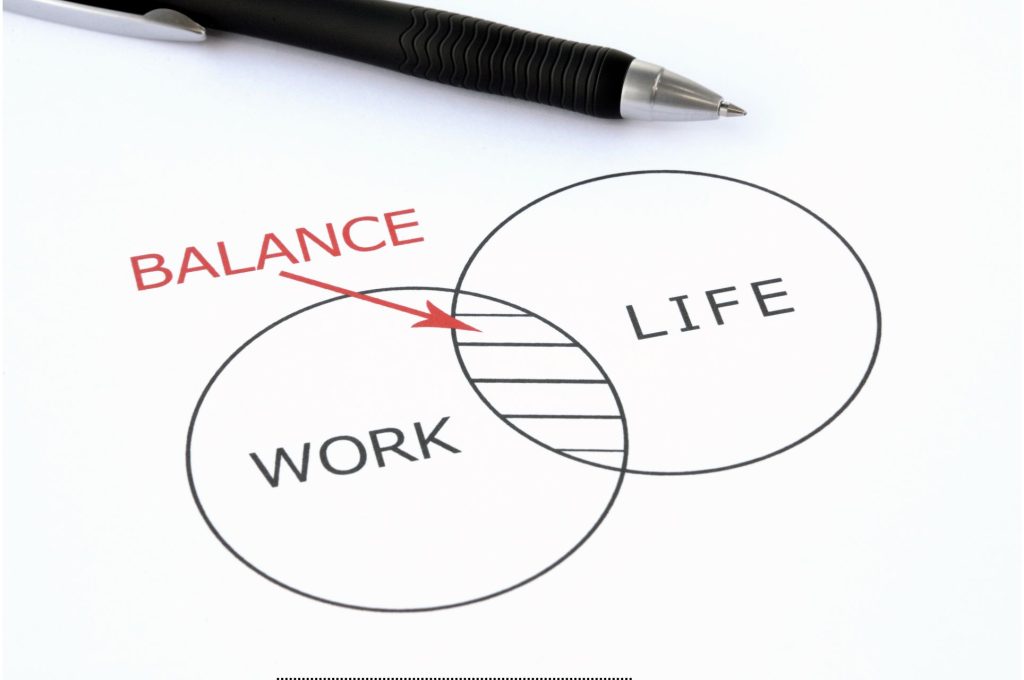
It was a quiet reminder of how quickly life passes. And how easily, without balance, we can become fully present in our careers yet absent from the other parts of life that bring us peace and fulfilment.
Life Balance Tips for Busy Professionals is a timely reminder that it’s not too late to choose differently —not by doing more, but by creating space for the parts of your life that matter—while still staying effective, focused, and fulfilled in your career.
It’s also a guide to help you stay excellent at what you do professionally, without losing yourself in the process.
Below are ten practical life-balance tips designed to help you stay grounded, present, and whole, as a professional and as a human being with just one life to live.
Let’s begin.
10 Life Balance Tips for Busy Professionals
1. Define what balance means for you.

Balance is personal.
For some, it’s more rest.
For others, it’s creativity, family time, or spiritual grounding.
Don’t chase generic routines.
Decide what your life actually needs right now.
2. Prioritise What Actually Matters
Not everything deserves your energy equally.
Many professionals feel overwhelmed because they feel they need to get everything done at once.
But busyness is not the same as importance. Learning to identify your top priorities each day helps you focus your energy where it truly matters, rather than scattering yourself thin.
Ask yourself:
- What truly needs my attention today?
- What can wait?
- What am I doing out of habit, not necessity?
3. Schedule Your Life — Not Just Your Work
Balance breaks down when your time has no boundaries.
If your calendar only reflects work, everything else gets pushed aside.
Maintain balance by deciding in advance how you will use your time.
Schedule rest, movement, family, creative time, and the things that make you feel alive.
Protect those moments.
What isn’t intentionally planned is often unintentionally sacrificed.
4. Learn to Pause Without Guilt
Most people only allow themselves to rest when their bodies and minds are already exhausted.
That isn’t balance, it’s survival.
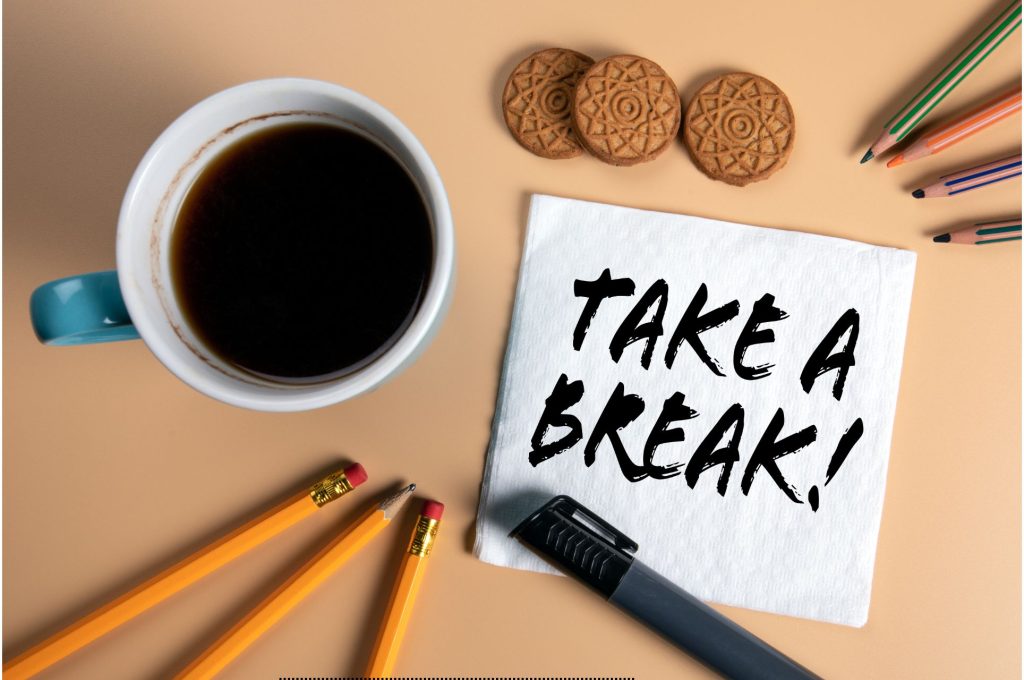
True life balance begins before exhaustion; in the small moments where you choose to pause before burnout sets in. Stepping away from your desk for a few minutes and other simple pauses help you stay present, clear-headed, and emotionally regulated.
5. Do fewer Things and Do Them Well
Multitasking feels productive, but it actually fragments your attention. When your mind constantly switches between many tasks, it becomes harder to focus, relax, and feel mentally settled.
Balance improves when you reduce mental clutter. When you take on a few interconnected tasks, you;
- work more efficiently
- feel more present
- reduce mental fatigue
- complete tasks with less stress
6. Make Space for Something You’ve Always Wanted to Do.
One of the easiest ways to accumulate regret is to keep postponing the things you love, telling yourself you’ll get to them “someday.”
If you don’t create space for what you love, it slowly disappears beneath the weight of responsibility.
Start small.
One step toward that thing you’ve always wanted to do.
Life Balance isn’t only about managing stress. It’s about staying connected to the parts of you that make life feel meaningful.

7. Protect Your Evenings When Possible
How your day ends affects how your next day begins.
If your evenings are always filled with work, overstimulation, or endless scrolling, your mind never truly rests. Protecting your evenings by limiting work after a certain time, creating a calming nighttime routine, reducing screen time and prioritising sleep.
Evenings should be for recovery.
8. Prioritise Your Health
Don’t get so busy building a life that you forget to take care of the body and mind that must live it.
Health is often sacrificed in the name of productivity—skipped meals, poor sleep, constant stress, and ignored warning signs.
But no level of success is sustainable without well-being.
Begin by listening to your body, resting, eating intentionally, exercising regularly, and seeking medical help when something feels off.
9. Build Micro-Routines Instead of Rigid Schedules
Rigid routines often collapse under real-life pressure.
Micro-routines, however, adapt.
Instead of overwhelming yourself with strict schedules, focus on small, consistent habits like;
- drinking water after waking
- a short walk daily
- five minutes of journaling
- reading before bed
These tiny habits support long-term balance.
10. Check In With Yourself Regularly
Balance requires self-awareness.
If you never pause to assess how you’re feeling, you’ll keep pushing until burnout forces you to stop.
Regular check-ins help you adjust early instead of breaking down later.
Am I exhausted?
Am I overwhelmed?
Do I need rest?
What do I need emotionally today?
This habit alone can transform your relationship with yourself.
Conclusion
You won’t always feel motivated.
Some mornings will feel heavy.
Some weeks will feel chaotic.
Some seasons will stretch you thin.
And that’s exactly why life balance tips for busy professionals must be practical, not performative. Balance only works when it respects your real schedule, your mental limits, and your emotional capacity.
True balance is not about perfection. It’s about sustainability. It’s about protecting yourself while still showing up for your responsibilities.




My take-away “no level of success is sustainable without well-being”
Great tips!
Prioritize and schedule your life. routines help give your life balance