


Hey Royals,
January is that one politician who always arrives with big promises.
Fresh plans.
New notebooks.
Bold intentions.
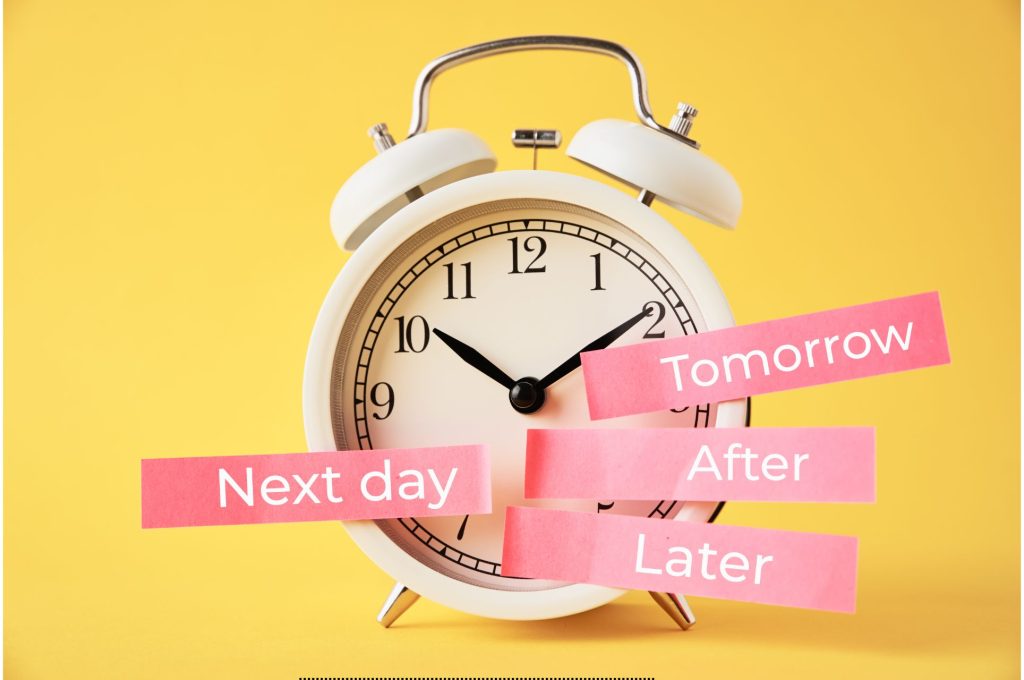
Still, procrastination slips in quietly, politely, posing as planning or waiting for the right moment.
Sliding into our minds are familiar lines like:
I’ll start next week.
I just need to feel ready.
It’s still early in the year.
And before you know it, January is half gone!
How to beat procrastination in January is one of the most important skills you can build this year. Not because you’re lazy, but because transition seasons confuse the brain. Your mind is still letting go of last year while trying to step into a new one.
This article is about understanding procrastination and gently dismantling it, especially in January, when momentum matters most.
Let’s begin.
1. Release the Pressure to Start the Year Perfectly
One of the biggest reasons people struggle with how to beat procrastination in January is the silent belief that the year must begin flawlessly.
You feel like your first action has to be impressive, strategic, or life-changing, so you delay starting at all. January is not a performance stage; it’s a transition period.
When you allow yourself to begin imperfectly, your brain relaxes. And a relaxed mind moves faster than a pressured one.
2. Break the Year Down into One Manageable Focus
Thinking about the entire year at once overwhelms the mind, and procrastination thrives when goals feel too big to touch.
Instead of asking,
“How do I fix my life this year?”
Try asking,
“What is one thing I can focus on this month?”
Momentum builds faster when your goals feel reachable, not intimidating.
Beating procrastination in January isn’t about doing everything at once; it’s about choosing one clear focus and committing to it consistently.
If you struggle with turning intentions into follow-through, read How to Set Goals for 2026 That Actually Stick – 10 Ways. It’s a practical guide to setting goals that work with your life, not against it.
3. Take Action Before Motivation Arrives

Waiting to feel motivated is one of the most common productivity traps. Motivation is not a starting tool; it’s a response.
When you begin with a small action, even when you don’t feel ready, your brain releases momentum. This is a powerful truth about how to beat procrastination in January: action creates clarity, not the other way around.
4. Shrink the Task Until It Feels Emotionally Safe
Your brain naturally avoids tasks that feel heavy or emotionally demanding.
So instead of telling yourself to “finish the project,” tell yourself to simply open the document.
Instead of studying for hours, commit to reading one paragraph.
When a task feels emotionally safe, your nervous system doesn’t resist it. And once resistance drops, action becomes easier. This is how procrastination is quietly disarmed, not through force, but through gentleness.
5. Create a Gentle January Routine
January doesn’t need an intense schedule; it needs rhythm.
A simple routine like waking up at a consistent time, planning your day, and starting work at the same hour removes the daily decision-making that fuels procrastination.
When your day has structure, your brain doesn’t have to negotiate every action.
6. Reduce Emotional Overwhelm Before You Work

Sometimes procrastination isn’t about the task; it’s about how you feel.
Unprocessed emotions from last year can sit quietly in your body, making action feel heavy.
Before you start working, take a moment to write, breathe, or acknowledge what you’re carrying. Emotional clarity often unlocks physical action faster than forcing discipline.
7. Stop Trying to Feel “Ready.”
Readiness is often a myth we use to delay discomfort. You don’t become ready by waiting; you become ready by beginning.
When you accept that discomfort is part of growth, procrastination loses its power. This mindset shift is essential in learning how to beat procrastination in January without burnout.
8. Track What You Finish, Not What You Avoid
Most people focus on everything they didn’t do, and that feeds shame.
Instead, keep a simple “completed” list. Write down every task you finish, no matter how small. This builds confidence and reminds your brain that progress is happening.
Confidence reduces procrastination because your mind no longer associates action with failure.
9. Let Go of Guilt from Last Year

Unfinished goals from last year can quietly sabotage January. You sit down to work, and guilt whispers,
“You didn’t even finish last time.”
That guilt breeds avoidance.
But last year has ended. Its lessons remain, not its weight.
Forgive yourself.
When you release guilt, you reclaim the energy to move forward.
10. Start From Where You Are, Not Where You Think You Should Be
Procrastination grows when reality and expectation don’t match.
You imagine where you should be, compare it to where you are, and feel discouraged.
Progress begins when you accept your current position without judgment. Start from truth, not fantasy. This is one of the most powerful ways to beat procrastination in January and beyond.
Simple Habits That Reduce Procrastination All Month

- Begin your day with one small win.
- Write your to-do list the night before.
- Set time limits instead of outcome-based goals.
- Reward effort, not perfection.
These daily habits don’t demand discipline; they build it. When practised consistently, they make procrastination easier to manage throughout January and beyond.
What to Do When Procrastination Shows Up Again
Procrastination doesn’t mean you’ve failed.
Pause.
Breathe.
Ask yourself:
- Am I overwhelmed?
- Am I afraid?
- Am I tired?
Learning how to stop procrastinating without self-criticism helps you reset quickly, without spiralling into shame.
Conclusion
Procrastination isn’t the enemy.
Fear is.
When you learn how to beat procrastination in January, you’re not forcing productivity but choosing self-trust over self-doubt.
You don’t need a perfect January.
You need an honest one.
Start small.
Start gently.
But start today.
Which of these ways will you use to beat procrastination this January? Do let me know in the reply section below.




Track what you finish. I like this. Every completed step is proof you’re moving forward. When you acknowledge your small wins, they grow louder in your mind, fuel your confidence, and power consistent actio
Thank you so much. I truly appreciate you taking the time to read and share your thoughts.
This is awesome, it is so profound, coming from a very young person. These are nuggets of wisdom.
Thank you so much. I truly appreciate you taking the time to read and share your thoughts.
Thanks a lot, God bless you for this very important information, it has made me realize myself.
I will like to use No. 10. Sart from where you are, not where you think you should be.
Thank you so much. I truly appreciate you taking the time to read and share your thoughts.
A very insightful perspective, Great read
Thank you. I truly appreciate you taking the time to read and share your thoughts.
This is amazing dear, and I am proud of you. No. 10 Starting from where you are means acknowledging your current situation, emotions, and circumstances without judgment. It’s about being present and honest with yourself.
This mindset can help!
– Address challenges more effectively
– Build self-awareness
– Make progress from your current point
If I may asked; What specific area of your life would you like to apply this approach to? Relationships, career, personal growth?
Thank you so much. I really appreciate your kind words.
For me, this approach applies most to personal growth and career; learning to be honest about where I am, without pressure or self-judgment, and then building forward gently from there.
I love how you broke it down too. Which area are you currently applying it to?
Procrastination,a lazy Man’s job (they said) But you have changed the narrative with Codes of Wisdom.Thanks
Thank you. I truly appreciate you taking the time to read and share your thoughts.
Procrastination,a lazy Man’s job (they said) But you have changed the narrative with Codes of Wisdom.Thanks
Nice work
Thank you. I truly appreciate you taking the time to read and share your thoughts.
Nice
“Love, love, love this!… So many thought-provoking takeaways for me. Reminded me also of books like ‘Eat That Frog’ and ‘The One Thing’ — which I clearly need to revisit. Thank you, Queen!”
‘Take action before motivation arrives’ and ‘stop trying to feel ready’. Very important because It’s very easy not to feel motivated but when you take a step you feel encouraged to take another and it eventually leads to a tangible result.