



Dear Royal,
A few months ago, a friend video-called me late one evening.
Nothing dramatic had happened. She wasn’t crying. She hadn’t lost her job. There was no crisis to point to. In fact, if you looked at her life from the outside, you’d have every reason to call it a good one: stable job, financial footing, a passport full of stamps, a wish list with almost everything checked. By every visible measure, she was doing just fine.
“Queen, I honestly don’t know what I’m doing with my life anymore,“ she said, looking at me with her watery eyes like she wanted to cry but was deciding against it.
I asked what she meant. She sighed.
“I wake up every morning and do what I’m supposed to do. I go to work. I come home. I make plans. I save money. I set goals. I achieve some of them. Then I set new ones. But I don’t know where any of it is leading.”
That sentence captured something many people feel but rarely say out loud: the exhaustion of being busy without being directed.
She wasn’t completely unhappy. She was just no longer sure she wanted the life she’d spent years building. And that distinction matters, because it’s not the same problem, and it doesn’t have the same solution.
Feeling lost doesn’t always look like falling apart. Sometimes it looks like functioning perfectly while quietly wondering what any of it is for. Having the job but not the clarity, the goals but not the reason, the people around you but not the sense that anyone would understand the question you’re actually asking. Even the wins can feel strangely quiet, like you did the thing and it didn’t do what you expected it to.
And underneath it all sits the worst part: watching everyone else seem to move forward while you feel stuck in place, wondering what you missed.
Royal, if any of that sounds familiar, here’s what I want you to know first: being lost isn’t a failure. It’s a signal that you need redirection, not reinvention. And the redirection is smaller than you think. You don’t need your whole purpose figured out. You need your next direction.
Here are seven ways to begin.
1. Stop Waiting for the Whole Map
One of the biggest mistakes we make when we feel lost is believing we need a complete map to see the end from where we stand, before we are allowed to move. Where we will live, what we will earn, who we will become, what the next ten years will look like. But life rarely hands out that kind of certainty in advance.
So change the question. Not “what am I supposed to do with my life,” but “what’s the next right thing for me?” That question is smaller, and smaller questions are easier to answer. Maybe it’s a course. A different job. The business you keep talking yourself out of. A conversation with someone already doing the work you are curious about. Or it’s simply rest, because exhaustion has a way of making everything feel meaningless.
You don’t need the entire map. You need enough light for the next step.

2. Notice What Keeps Calling You
More often, your purpose is discovered in the subject you keep reading about, the skill you keep circling back to, the problem you can’t stop turning over in your mind, the work you would still do even if nobody were cheering for you.
So pay attention to what you keep returning to. What are you naturally curious about? What do people come to you for? What kind of problems do you actually enjoy solving? We dismiss these clues too easily because they don’t feel important enough to count as answers.
But recurring curiosity is rarely random; it is pointing you toward the right questions, even before you have the answers.
3. Untangle Your Dreams From Everyone Else’s
Sometimes you are not lost. You have too many voices in your head. Your parents have a picture of success. Your friends have their own timeline. Social media has an endless, invisible checklist of what you should have by a certain age. And somewhere underneath all of it is your own voice — the one you may have stopped listening to.
Ask yourself: if no one could judge the decision, what would I actually choose? Not what would impress people. Not what would make your family proud. Not what would make strangers online assume you have made it. What would feel meaningful to you in particular.
Life gets confusing fast when you spend your energy chasing goals that were never yours to begin with.

4. Trust Your Strengths, Not Just Your Passion
Passion isn’t the only clue worth following. Your strengths matter just as much. What comes naturally to you? What do people consistently ask for your help with? What have years of doing something made you unusually and unintentionally good at?
Maybe you communicate well. Maybe you organise people without even trying. Maybe you simplify complicated things, or make people feel seen, or think analytically when everyone else panics. Purpose often lives at the intersection of what you care about and what you are good at.
You may not need to become someone new; you may just need to notice who you already are.
5. Act Before You Feel Certain
People often get stuck waiting for a feeling of certainty before they are willing to try anything. Months go by in research, planning, and overthinking, then waiting for a green light that never arrives. But clarity is usually a result of action, not a precondition for it.
If you think you’d enjoy writing, write. If entrepreneurship interests you, start something small and unglamorous. If you are weighing a career change, talk to someone already living the version you are considering. Test it. And if it turns out not to be for you, that’s not failure, that’s data.
Every experiment tells you something true about the life you want, and just as usefully, about the life you don’t.
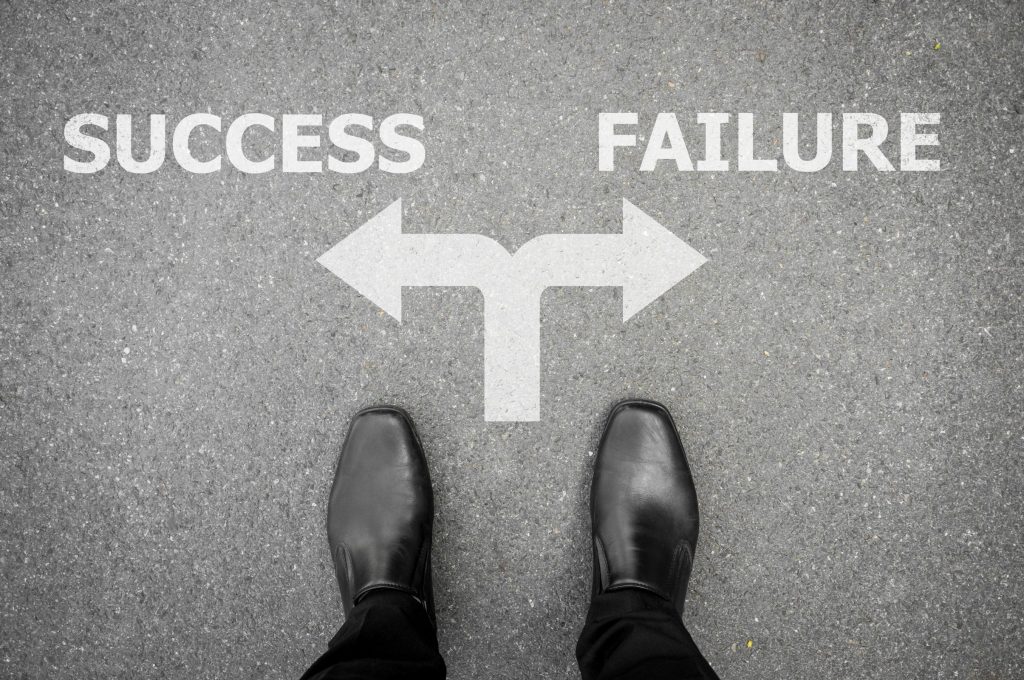
6. Let Your Past Point the Way
Your history isn’t just behind you; it’s instructive. Think about the moments you felt most alive: what were you doing, who were you with, what were you building or giving? Then think about the hard seasons too. What did they force you to learn? What did you get good at because you had no other choice?
Pain does not automatically give you purpose. But it can deepen your perspective. And sometimes, the very struggle you survive becomes the experience that equips you to help someone else navigate that same struggle. Don’t discard what your story already taught you just because it came at a cost.
7. Build a Meaningful Life, Not Just an Impressive One
What if the life you’re building looks successful on paper but doesn’t feel like home when you’re standing inside it?
There’s nothing wrong with wanting money, a great career, recognition, beautiful things, or a full passport. But when you chase those things only because they are what you’re supposed to want, you can end up somewhere that photographs well and feels hollow.
Purpose was never about building the most impressive life; it’s about building one that’s aligned with what actually matters to you. For one person, that’s a business. For another, a family. For someone else, a quiet life after years of chaos. It doesn’t need to impress anyone else. It only needs to mean something to you.

Conclusion
Royal, during that video call, I didn’t have an answer for her. I didn’t try to give her one either. I listened and let her talk through what she was feeling. And honestly, I still don’t have a neat answer for her. But I’ve watched her since. She didn’t quit her job or blow up her life. She simply started asking herself better questions, seeking more honesty, and sounding less like someone waiting for someone else to tell her what to do, and more like someone who trusts herself to figure it out.
So if you have similar questions, start by asking yourself what matters to you, who you are becoming, and, most importantly, what one small step you can take from here.
Then take it. And tomorrow, take another.
🎁 Get Your Free Becoming Journal
Enter your email to receive your free guide straight to your inbox ✨
Built with intention ✨




Keep up the good work. I love it